
We tested the JJN 425W N-type bifacial solar panels on our EcoFlow Delta Pro Ultra Low-PV port. Here's what we found on build quality, real-world output, and whether they earn their spot against the pricier big-brand alternatives.
We got our first set of these panels back in May, before JJN bumped the rating from 400W to 425W. The idea was to fill the Low-PV port on our EcoFlow Delta Pro Ultra, specifically to catch the late afternoon and evening sun that our main array tapers off on. They worked so well we grabbed a second set to run three panels on the Low-PV string. After a couple months with them, I’ve got some thoughts.
What These Panels Are Built For
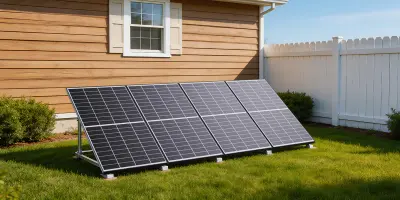
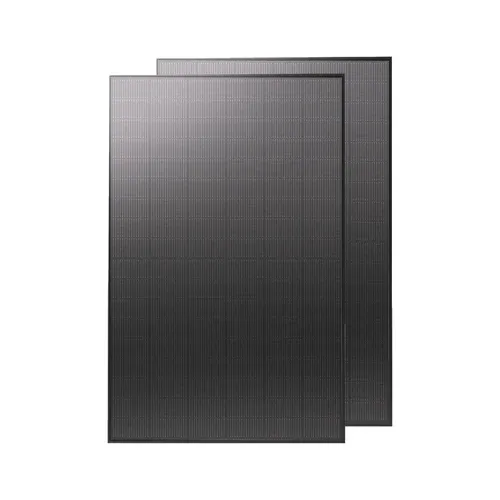
The JJN 425W is a rigid N-type monocrystalline bifacial panel, aimed at anyone who wants serious solar capacity without paying the premium for an EcoFlow-badged panel. The specs put it right in the same class as EcoFlow’s 400W rigid: near-identical footprint (67.8 x 44.7 in), similar electrical window, and MC4 connectors instead of the proprietary EcoFlow plug.
The big selling point is the N-type bifacial design. N-type cells degrade slower and handle heat better than the older P-type PERC cells. And the transparent back lets the panel pull power from reflected light off the ground or roof surface underneath. JJN markets up to 30% additional yield from the rear side, which is optimistic for most setups, but even a 5-10% bump is real when you mount these with some clearance underneath.
Build Quality and Design
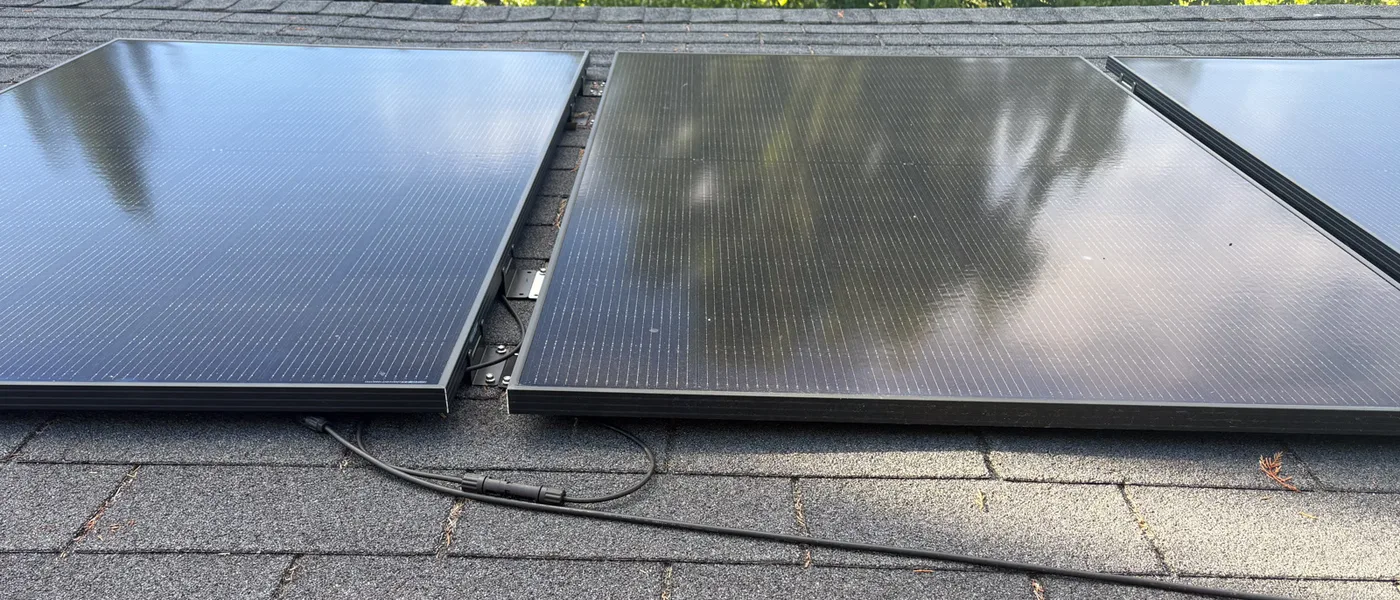
The panels feel solid. Thick aluminum frame, tempered glass face, well-sealed junction box. The weight is about what you’d expect for a rigid panel in this class, around 53 pounds. Not something you move around daily, but manageable for a two-person install. The frame is black anodized, which looks clean on a ground mount or roof rack.
We measured voltage and current on our first set and both were right where the spec sheet says. Voc came in around 38.5V open circuit, and the panels have been outputting right at nameplate in good sun with the bifacial rear contributing a bit on top. For a budget-priced panel, the electrical accuracy is reassuring.
Something that surprised us is how well these play with the EcoFlow Delta Pro Ultra Low-PV port. The Low-PV input runs 30-150V, 15A, 1600W max. With a Voc of about 38.6V, you can run one, two, or three in series and stay safely inside that window. Three panels in series land around 116V open circuit, well under the 150V ceiling, and the nameplate total of 1,275W leaves room for the 1,600W max. It’s a clean fit.
Performance in the Field
The panels deliver on the output front. On a good sunny day with the bifacial rear picking up some ground reflection, we’ve seen the pair comfortably exceed 700W combined. That’s right in line with what you’d expect from 850W of nameplate, and the bifacial bump is a nice bonus. The evening harvest is where these really earned their keep for us. Standard monofacial panels drop off fast as the sun gets low, but the N-type cells hold voltage better in reduced light, and the bifacial rear catches whatever sky glow is still bouncing around. That extra hour or so of meaningful charging makes a real difference when you’re trying to top off batteries before the overnight draw starts.
The panels run cool, which is a hallmark of N-type technology. Lower operating temperature means less efficiency loss on hot days, and that’s a genuine advantage over the older P-type panels you’ll find at similar price points.
Where They Fall Short
The biggest compromise is the warranty. Five years on materials and workmanship is short compared to what you’d get from a Tier-1 residential panel brand. The 30-year performance warranty to 87.4% is standard N-type marketing language, but whether that claim holds up over decades with an Amazon-purchased brand is an open question.
Shipping is the other weak point. Our first order arrived with one panel damaged. The shipping box uses thin cardboard, and for a 53-pound glass panel, it’s not enough. Amazon replaced it within a week, no hassle, and our second set came through fine. It’s worth noting the packaging is the weakest link here. If you order these, inspect the box thoroughly before signing for it.
The bifacial gain marketing is also worth a reality check. JJN says up to 30% more energy from the rear side. That’s a best-case number for elevated mounts over high-albedo surfaces like snow or white gravel. On a typical ground mount with dirt underneath, you’re looking at more like 5-10% rear contribution. Still real, still worth having, but not the marketing number.
Who Should Buy These
If you’re running an EcoFlow Delta Pro Ultra and have a Low-PV port sitting empty, these are a really natural fit. One to three panels in series fills that input cleanly, and the price per watt is roughly half what you’d pay for EcoFlow’s own 400W rigid panels. For the same money you’d spend on two EcoFlow panels, you can get two of these plus a third and still have cash left over for the MC4 adapter cable.
If you’re building a permanent rooftop array and need a 25-year product warranty for financing or insurance, these aren’t that panel. But for a ground mount or cabin setup where you’re the one doing the maintenance, the value proposition is hard to argue with.
Bottom Line
The JJN 425W N-type bifacial panel is a legitimate value play in the rigid solar space. The specs are accurate, the build is solid, and the electrical fit with the Delta Pro Ultra Low-PV port is near-perfect. The short product warranty and thin shipping box are real caveats, but at roughly half the cost per watt of the EcoFlow alternative, the tradeoff makes sense for a lot of setups.