
Full review of the Anker SOLIX E10 Smart Inlet Box. Whole-home backup with standout solar charging and the trade-offs that come with it.
If you’ve been shopping around for a whole-home battery backup, you’ve probably seen the two main routes. Top of the line, there’s stuff like the Tesla Powerwall that handles everything automatically and costs what you’d expect. Then there are the portable power stations that can sort of run house loads if you’re handy with a transfer switch. The Anker SOLIX E10 with its Smart Inlet Box lands somewhere in between. And honestly, that middle ground might be exactly where a lot of people need to be.
What It’s Built For
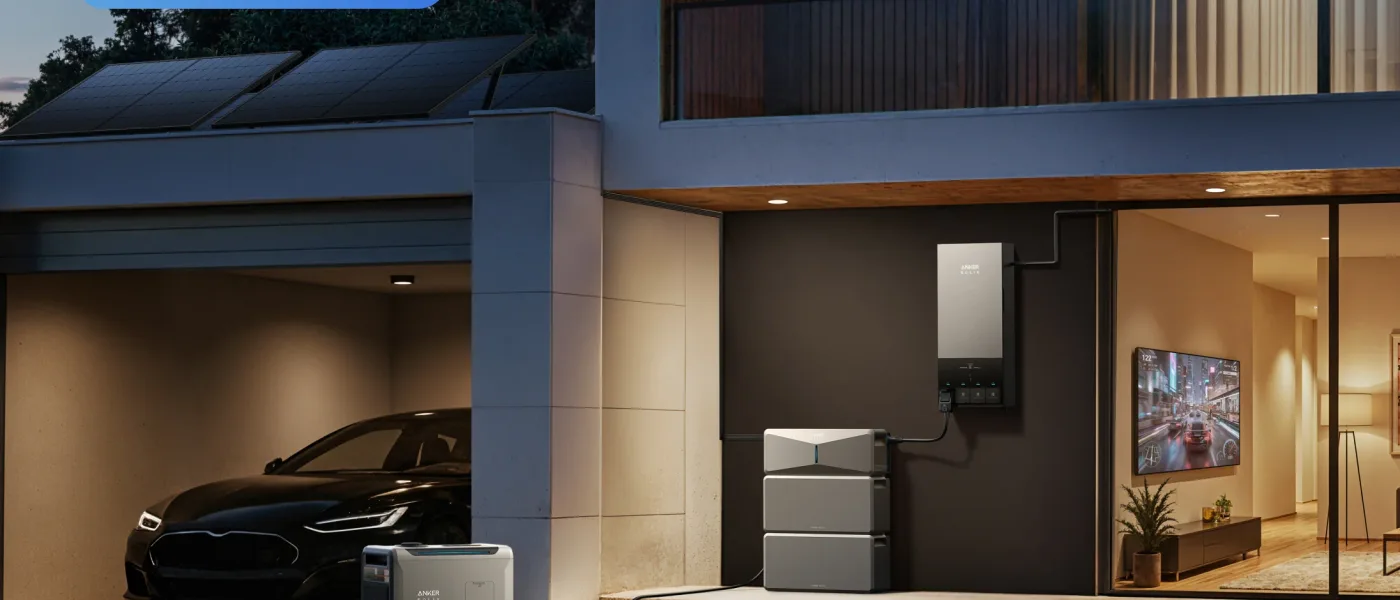
The E10 is a modular whole-home battery system with three jobs it handles well. It keeps your lights on during an outage, saves money through time-of-use shifting, and soaks up solar power so you’re pulling less from the grid. It’s not trying to be a full off-grid replacement. It’s a hybrid system that plays nice with the grid when it’s up and takes over when it’s not.
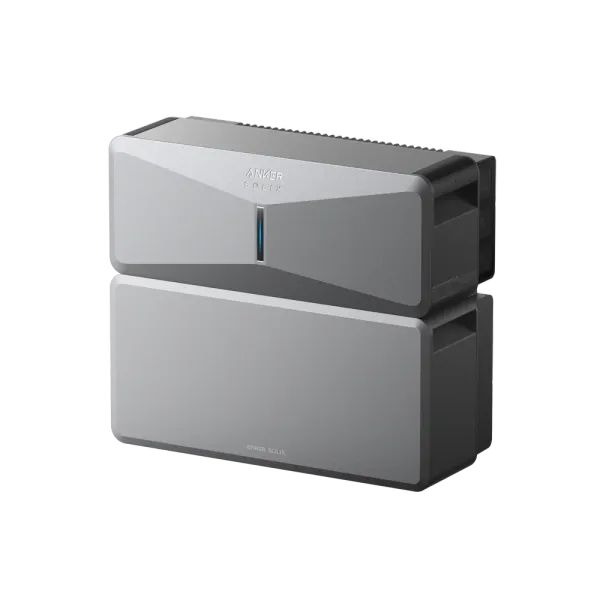
Base capacity sits at 6,144 watt-hours from one B6000 battery module. You can stack those up to 30.7 kWh per inverter, and multiple inverters scale further if you’ve got a bigger house or bigger ambitions. The output side is where things get interesting. You get 7.6 kW continuous and a surge rating that can handle central air conditioning startup, something a lot of systems at this price point can’t say.
Solar Input as the Differentiator
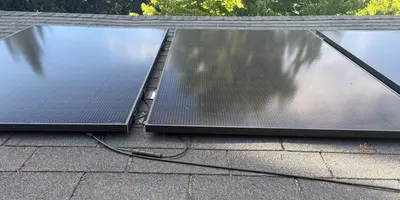
Here’s the spec that makes the E10 stand out from the crowd. It accepts up to 9,000 watts of solar input through dual MPPT channels. For context, most whole-home batteries in this range top out around 4,000 to 6,000 watts. The E10 can take a serious array, which means faster recharging during outages and more meaningful solar offset during daily use. If you’ve already got solar panels or you’re planning to add them, this is one of the better battery options for soaking up that power.
The MPPT range is 30 to 450 volts DC per channel, so it’s compatible with most residential solar panel configurations. That flexibility matters if you’re adding the battery to an existing solar setup rather than building everything from scratch.
Design and Build
The Smart Inlet Box itself is a NEMA 3R rated enclosure, which means it’s designed to live outdoors. It handles temperatures from 4 below zero to 131 degrees Fahrenheit, weighs about 14 pounds, and mounts on an exterior wall. The quick-connect cable runs about 6 feet, so you’re not stretching it across the yard.
The battery module is designed to stack, and the whole system has a clean, purposeful look for something that’s essentially industrial equipment. Anker’s clearly thinking about the install experience here, because the Smart Inlet Box simplifies what’s normally the messiest part of a home battery install, the interface between the battery and your electrical panel.
Performance in the Field
Based on what other testers and early adopters have reported, the E10 does what it says it’ll do. The surge handling is real, with users reporting successful central AC startup on systems rated up to 4 tons. The solar input actually accepts the full rated wattage, which is not something you can take for granted in this category.
Where things get more mixed is the day-to-day experience. The app, which is how you’ll set up time-of-use schedules, monitor solar production, and check battery status, has been described as unintuitive and occasionally inaccurate. Some users report that the earnings estimates (how much you’re saving via solar and TOU shifting) don’t match reality. That’s the kind of thing that’ll bug you if you’re the type who likes to track every kilowatt-hour.
Where It Falls Short
The biggest hurdle for most people is going to be the installation. This is not a plug-and-play system. You need a licensed electrician to do the hardwired work, and depending on your electrical panel and local labor rates, that can add significant cost. If you’re coming from the world of portable power stations where you just plug a transfer switch in, this is a different level of commitment.
The battery warranty is another consideration. You get 5 years with 60% capacity retention, which is shorter than what you’d get from a Tesla Powerwall or some of the established players. For a system that’s meant to live on your wall for a decade, that’s worth factoring into the decision.
And the app situation, while not a dealbreaker, is genuinely behind where it should be for a product at this price point. The hardware is solid, but the software experience is playing catch-up. Anker has been pushing firmware updates, so there’s reason to believe it’ll improve. But right now you’re buying into a system that’s still maturing.
Who Should Buy This
The E10 makes the most sense if you’ve already got solar panels or you’re planning a solar installation alongside the battery. The 9,000 watt solar input is the headline feature, and it’s the one spec that genuinely outclasses most of the competition. If that’s your priority, this is a strong contender.
It’s also a good fit if you want whole-home backup with central AC support without jumping to the Powerwall price tier. The modular expansion means you can start with a single unit and add more capacity as your budget allows.
On the other hand, if you want something you can install yourself, or if app polish and long warranty terms are your top priorities, you might want to look at other options. The EcoFlow Delta Pro Ultra and Bluetti AC500 are worth comparing, especially if you’re already in one of those ecosystems.
Bottom Line
The Anker SOLIX E10 is a well-designed home battery that does one thing exceptionally well. Solar input. If that matters to you, it’s worth a serious look. The compromises, professional installation, shorter warranty, and a rough-around-the-edges app, are real but not disqualifying. It’s a solid option for the right buyer, and that buyer is someone who wants solar-ready whole-home backup without jumping to the premium tier.