
Real-world review of the Callsun N-Type 16BB 400W bifacial solar panel set. We put the budget Amazon viral panels to work powering our well pump and Delta Pros.
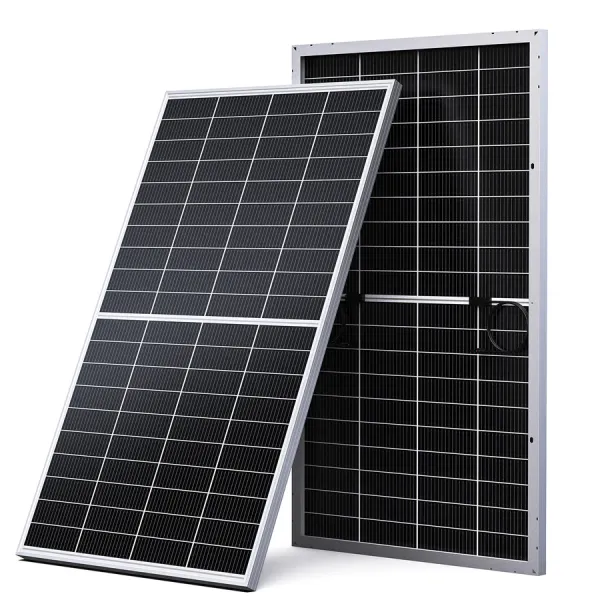
We got this 400W set, two 200W panels, after it went viral on Amazon as a cheap panel option. The thinking was simple: we didn’t need them to be amazing, just had to pull 350 watts or better through the day to keep the Delta Pros running the well and pump. If they did that, they’d earn their keep.
They did more than that. A lot more.
This is the Callsun N-Type 16BB 400W Bifacial Solar Panel, and for the price, it’s kind of a disruptor in the DIY solar space.
What It’s Built For
The Callsun is an N-Type monocrystalline bifacial panel, sold as a pair of 200W panels that combine for a 400W rated setup. The N-Type part matters more than it sounds like it would. These cells use a different doping process than the standard P-Type cells you’ll find in most budget panels, which means higher efficiency (up to 25%), lower light-induced degradation over time, and noticeably better performance in low-light conditions like overcast mornings or shaded corners of the yard.
The 16 busbar design spreads current across more contact points, which reduces the risk of hot spots and micro-cracking. That’s the kind of thing you don’t think about until a panel craps out a couple years in, but it’s worth having.
And the bifacial part. The transparent backsheet lets the panel capture light from both sides. You can expect 5 to 30% more output from rear reflection depending on what’s underneath it. White gravel, a light roof, or even a well-positioned rack over dirt all make a difference.
Design and Build
For a budget panel, the build quality is solid. The aluminum frames are sturdy, the glass is tempered, and the connectors are IP68 rated, meaning they’re sealed against dust and water ingress. At about 12 pounds per 200W panel, they’re manageable for one person to carry and position. The MC4 connectors are standard, so you’re not locked into any proprietary setup.
The packaging is straightforward. No frills, no branded accessories, just the panels and the cables you need. That’s refreshing for anyone who’s opened a premium solar panel box and found foam inserts that cost more than the panel itself.
The 25-year performance warranty is there on paper, which is competitive for this price range. It guarantees at least 84.5% of rated output at the end of the term. Not bad for a panel that costs what these do.
Performance in the Field
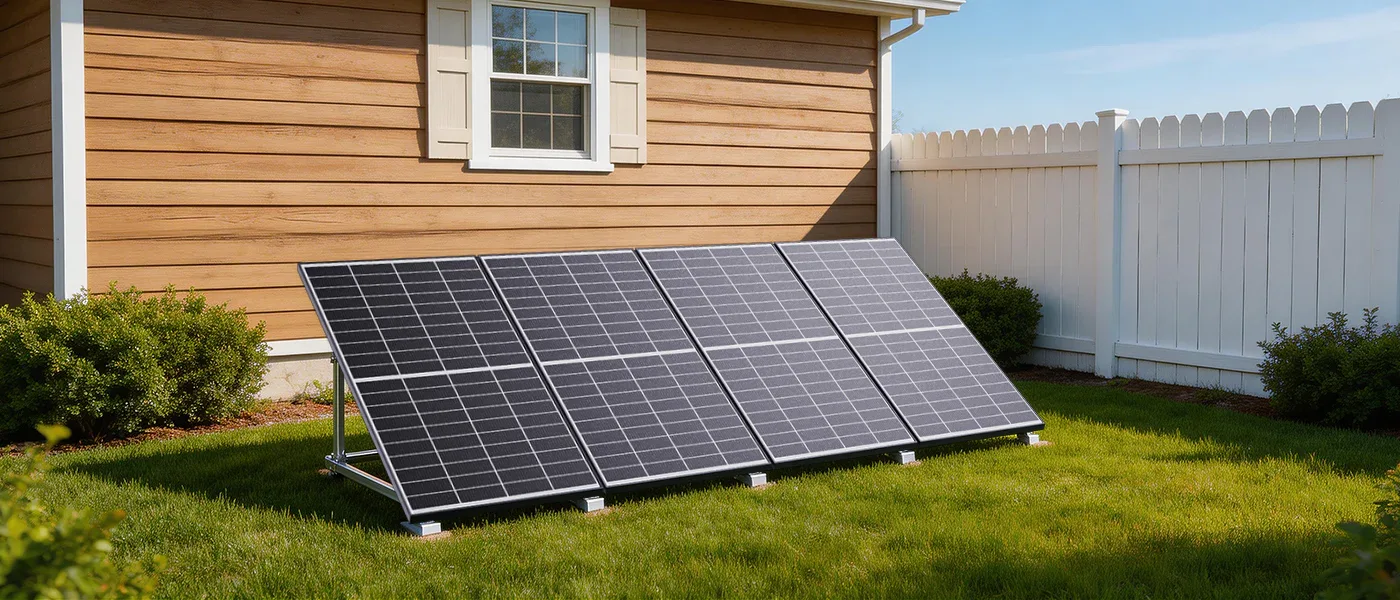
Here’s the part that surprised us. We set these up on a simple ground rack, angled for summer sun, wired into the Delta Pros. The goal was 350W combined through the peak of the day. That’s all we needed to keep the well pump cycling and the batteries happy.
In direct summer sun, the panels have consistently pulled 350W as a baseline. On perfect days, clear sky, optimal angle, good ground reflection, we’ve seen them push past 420W combined. That’s over the rated 400W. Voltage has been clean and stable, no weird drops or fluctuations.
The bifacial gain is real, but it depends on your setup. We’re mounted over gravel and dirt, which is mid-range for reflectivity. If you mounted these over a white membrane roof or a light-colored deck, you’d probably see more. On grass, you’d see less. It’s not a magic bullet, it’s physics.
The N-Type advantage shows up on partly cloudy days too. We’ve had mornings where the sun’s in and out, and the panels keep producing at a useful rate instead of dropping off a cliff. Compared to the older P-Type panels we’ve used, the difference is noticeable.
Where It Falls Short
A few things worth knowing before you buy.
The bifacial benefit is installation-dependent. If you’re mounting these flat on a dark roof or directly on the ground over grass, you’re leaving a lot of the rear-side potential on the table. You’ll still get good output from the front side, but you’re paying for a feature you’re not using.
There’s no proprietary ecosystem here. If you’re used to EcoFlow’s plug-and-play or Renogy’s all-in-one kits, these are just panels with MC4 connectors. You’ll need your own charge controller and wiring. That’s normal for DIY solar, but worth noting if you’re coming from a closed ecosystem.
And while the build quality is good for the price, we don’t have long-term data yet. The 25-year warranty is there on paper, but this specific model hasn’t been on the market long enough to have a multi-year track record. The early returns are positive, but we’ll know more in a couple of seasons.
Who Should Buy This
If you’re building a DIY solar setup on a budget, these should be on your short list. The price-to-performance ratio is hard to beat. You’re getting N-Type bifacial technology at a price that used to be entry-level P-Type territory.
They’re a good fit for off-grid cabins and tiny homes on a budget, RV and van setups where every watt matters, or backup power systems running into a portable power station. If you’re building grid-tied DIY and want to maximize output per dollar, these make a lot of sense too.
The flip side: if you want a plug-and-play system with a single brand’s ecosystem, you’re mounting on a surface with zero rear reflection potential, or you need premium build quality with a proven long-term track record, these probably aren’t the right call.
Bottom Line
The Callsun 400W bifacial set is a genuine budget disruptor. We bought them expecting “good enough for the price” and got panels that consistently meet or exceed their rated output, with clean voltage and solid build quality. If you’re looking to get into DIY solar without spending premium-brand money, these are worth a serious look.