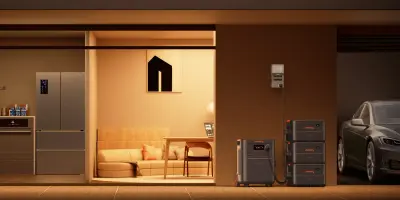

The EcoFlow Delta Pro Ultra replaces a synced dual-Delta Pro setup with one clean stack. We tested it through real outages with four rigid 400W panels. Native split-phase, 7.2kW continuous output, and true plug-and-play installation.
After multiple multi-day outages that nearly cost us everything in the freezer, we knew the old setup had to go. We originally had two Delta Pros synced together with two extra batteries. It worked, but linking them, balancing the charge, and managing the drain between them became a hassle. We finally decided to move to an EcoFlow Delta Pro Ultra, a single inverter with one 6 kWh battery. Four rigid 400W EcoFlow panels keep it topped off. Here’s exactly how it’s been treating us.
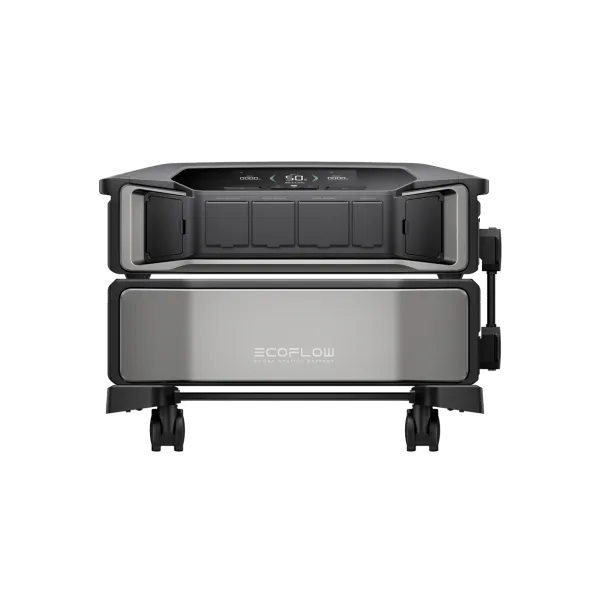
What This Thing Actually Does
Here’s the thing about the Delta Pro Ultra. It’s not really a portable power station in the way you might think. It sits in a weirdly good spot between something you can move around and a permanent home battery system. The key number is 7,200 watts continuous on native 120V and 240V split-phase. That means you get both legs of your house panel from one inverter. No syncing two units together, no managing separate charge states. Just one stack that handles the whole load.
The battery is 6,144 watt-hours of LFP chemistry. That’s about 3,500 cycles before it hits 80% capacity, which works out to roughly a decade of daily use or a lot longer if you’re only cycling it during outages. And you can scale it. Each inverter supports up to 30 kWh of battery, and the system tops out at 90 kWh with three inverters and fifteen batteries. Most people will never need that ceiling, but it’s there if you do.
Why One Delta Pro Ultra Beats Two Synced Delta Pros
We ran two synced Delta Pros for a while, and if you’ve done that, you already know the pain. Getting them to share the load evenly, managing charge states between them, splitting solar input across both units. It worked, but it always felt like a circus act we were running in the background.
The Ultra eliminates all of that. One inverter, one battery stack, one charge state to think about. The 7.2kW continuous output with 10.8kW surge handles our whole critical load without blinking. Native split-phase means our 240V well pump and the 120V circuits all come from the same source. No balancing, no synchronizing, no wondering if unit B is draining while unit A is charging.
The solar input story is better too. With the synced setup, we had to split our panels across two units and manage which one got what. The Ultra takes up to 5,600W of solar on one inverter. That’s 4,000W on the high-PV port and 1,600W on the low-PV port. One connection, one MPPT tracker that’s smarter than the older Delta Pro models, and one battery bank that just fills up.
Solar Charging With Four Rigid 400W EcoFlow Panels
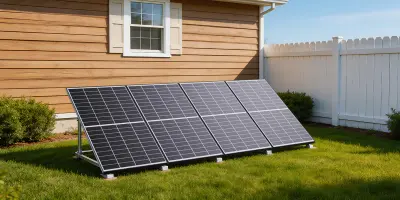
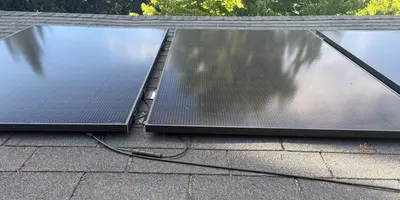
We put four 400W rigid EcoFlow panels on a south-facing rack at about 25 degrees of tilt. These are the same panels EcoFlow sells for their portable stations, and they plug straight into the Ultra’s high-voltage ports with standard MC4 connectors. No extra charge controller, no adapter box, no string inverter. Just MC4 to the unit and the built-in MPPT handles the rest.
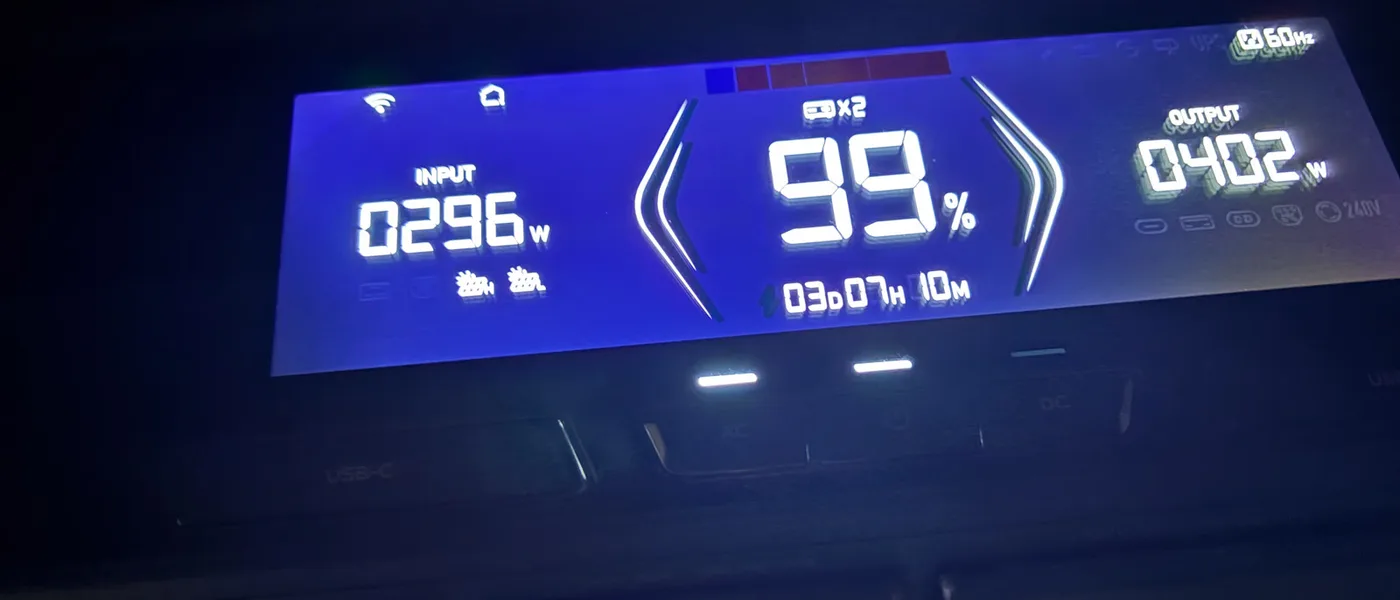
Real-world numbers look like this. On a good sunny day we see 1.4 to 1.6 kW peak. Overcast winter days drop to 600 to 800 watts, which is still meaningful. A full charge from the batteries empty state takes about 3.5 to 4.5 hours in decent sun. The built-in MPPT is noticeably better than what the older Delta Pros had. It seems to track the panel curve more efficiently and handles partial shading without dropping the whole string.
The key thing here is that the system runs net-positive on solar during the day. The panels produce more than our critical loads consume, so the battery floats at full charge through most daylight hours. That means when the grid drops or we switch to backup mode, the battery is already topped off and the panels keep feeding it through the outage.
What Still Isn’t Perfect
Let’s be honest about the weight. The inverter is about 70 pounds and the battery is 112 pounds. These are two-person items. The stacking mechanism works well once they’re in place, but getting them to that spot takes planning. We set ours up in the garage near the transfer switch location, and we’re glad we measured the path first.
The expansion batteries are expensive and Ultra-specific. You can’t drop a standard Delta Pro battery into this stack. It has to be the Ultra battery, which costs more and only works with the Ultra inverter. That’s the ecosystem lock-in you’re signing up for. If you’re planning to scale to 30 kWh, budget accordingly.
Full automatic failover requires the Smart Home Panel 2. We’re running a manual transfer switch, which works fine for our needs, but if you want true sub-20 millisecond switchover that happens without touching anything, you need the SHP2. That usually means professional installation and may trigger local permits. Our manual setup with an electrician was straightforward and didn’t require county or power company permits since the unit stays portable rather than permanently hardwired.
One thing that caught us: the app occasionally drops connection during Wi-Fi outages. That’s a minor annoyance since the unit keeps running fine without the app, but if you rely on the phone for status checks, it’s worth knowing.
The 5-year warranty is shorter than what you get with permanently installed systems like Enphase (10+ years). That said, the LFP cells are rated for many more cycles than the warranty covers, so the real concern is the inverter electronics rather than the battery itself.
Why the Dual Synced Delta Pros Got Retired
We kept the two Delta Pros running for a good stretch. They got us through several outages. But the longer we ran them, the more the friction added up. Rebalancing the charge between them was a manual check every few days. Splitting solar input meant deciding which panels fed which unit, and if one filled up before the other, the solar went to waste.
The biggest headache was the lack of native split-phase. We had to run them in parallel mode and manage the sync ourselves. If the load shifted in a way that confused the handoff, we’d get imbalance warnings. It was functional but fragile.
The Ultra changed that completely. One unit, no circus. Everything just works without us needing to think about which battery is at what state of charge.
Who Should Buy This
If you’ve been running a multi-unit portable power station setup and you’re tired of managing it, this is the upgrade. The Ultra takes everything those setups try to do and does it with one stack. It’s also a strong option if you’re looking at home battery backup but don’t want to commit to a permanently installed system that requires permits, professional install, and a fixed location.
If you just need something to keep a fridge and a few lights on for a few hours, a smaller portable station will save you money and hassle. The Ultra is built for people who want whole-home or critical-load backup that scales with them.
There’s also the federal solar tax credit angle. As a home battery system, the Ultra qualifies for the 30% federal ITC when installed with solar panels. That changes the math significantly compared to portable stations that don’t qualify.
Bottom Line
The EcoFlow Delta Pro Ultra replaced two synced Delta Pros with a single stack that delivers native split-phase, better solar input, and none of the multi-unit management headache. Four 400W rigid panels keep it charged through normal daylight hours, and during outages it has kept our critical loads running for days. The weight is real and the expansion batteries are expensive, but for anyone running a multi-unit backup setup, this is the single best upgrade you can make. It just works, and that’s worth a lot when the grid goes down.