
We've been running six EcoFlow 400W Rigid Solar Panels with our Delta Pro Ultra setup. Here's how they perform, what the build quality is like, and who should buy them.
If you’re building out a solar setup for an EcoFlow power station, picking the right panel matters more than you’d think. Not all 400W panels are the same, and the difference usually shows up in how they connect, how they hold up outside, and whether they actually deliver the wattage they claim. We got six of these for our system, and I want to share what that experience has been like.
What It’s Built For
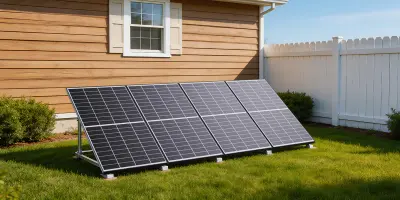
These panels are designed for permanent or semi-permanent installation, not for tossing in the back of a car and setting up at a campsite. They’re rigid, they’re heavy, and they’re meant to stay put. If you’re looking for something portable you can bring on a weekend trip, this isn’t it. But if you’re putting together a fixed solar array on a roof, a ground mount, or a shed, this is exactly the kind of panel that’s built for that.
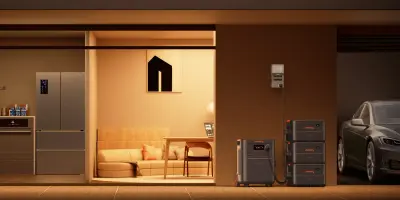
They’re optimized for direct connection to EcoFlow’s high-voltage solar input on the Delta Pro 3 and Delta Pro Ultra. No extra charge controller needed, no fiddling with adapters. The MC4 connectors plug straight in.
Design and Build
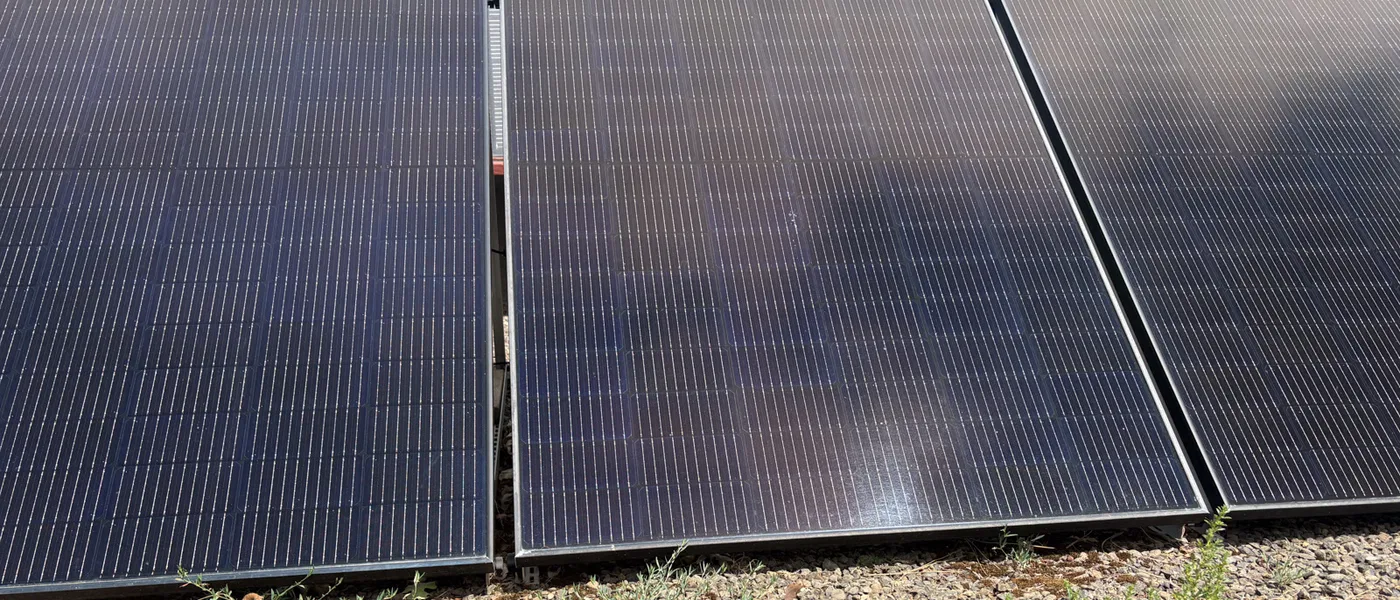
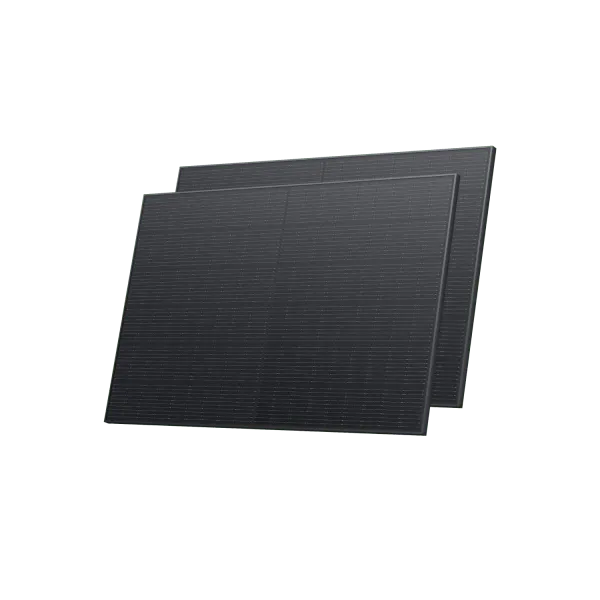
The panels themselves feel solid. The aluminum frame is thick enough that you don’t worry about flexing when you’re moving them around, and the tempered glass on top has a quality feel to it. The build quality is honestly top tier for a rigid panel. Thick frame, quality glass, nothing about it feels cheap. We had ours up on a ground mount, and they’ve been through some pretty serious weather without any issues.
EcoFlow rates them at IP68 waterproof, which means they’re fully sealed against dust and can handle being submerged. That’s overkill for most installations, but it’s nice to know rain, snow, and humidity aren’t going to be a problem. The wind and snow load ratings back that up too. 130 mph wind and 113 lb snow load per the spec sheet.
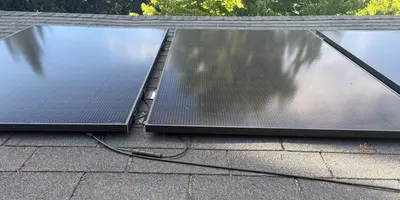
One thing that’s worth noting up front: at 48 pounds each, these are not light. If you’re planning a roof install, you’ll want a second person to help get them up there and positioned. The frame does have proper mounting holes and the all-black aesthetic looks clean, but you’ll need to source your own rails or brackets since they don’t come with mounting hardware.
Performance in the Field
This is where the panels show what they can do. When the conditions are right, they hit their wattage and voltage as advertised. In perfect sun we’ve actually seen them push over 400W, exceeding the rated spec. More typical good conditions get us 340-390W, which is still well within the range you’d expect from a 400W rated panel. The 23% monocrystalline cell efficiency is solid, and it shows in the numbers.
We originally got these for our dual Delta Pro 3s, but we upgraded to six panels total when we replaced that setup with the Delta Pro Ultra. The setup to the Ultra was really easy. The panels daisy-chained together without any issues, and the station recognized them immediately. No configuration headaches, no compatibility puzzles. It just worked.
The voltage specs are Voc 37.10V and Vmp 31.00V, which puts them comfortably within the input range of the Delta Pro Ultra for series chaining. You can scale up to a pretty substantial array without worrying about overvoltage, which is a nice option if you’re planning to expand later.
Where It Falls Short
Cloudy days hurt them like any panel. There’s no magic here. If the sun isn’t out, you’re not getting full output. That’s not a knock against these panels specifically, it’s just physics. But it’s worth knowing if you’re in a region with long stretches of overcast weather.
The bigger consideration is the price. You’re paying a premium for the EcoFlow name and the ecosystem integration compared to a generic 400W panel from Renogy or another brand. The question is whether that premium is worth it. For us, it was. The direct compatibility, the build quality, and the fact that everything just works together made it an easy call. But if you’re on a tighter budget or you’re comfortable piecing together a system from different brands, you can definitely save money going elsewhere.
Who Should Buy This
If you already own an EcoFlow Delta Pro 3 or Delta Pro Ultra, these panels are the obvious choice. The plug-and-play compatibility is real, and not having to mess with charge controllers or adapters saves time and complexity. You’re paying extra for the convenience and the ecosystem, but it’s the kind of convenience that actually shows up when you’re setting things up.
If you’re starting from scratch or you’re not committed to the EcoFlow ecosystem, you could get similar performance for less money with a generic panel. You’d just need to do a bit more homework on compatibility and wiring.
Bottom Line
The EcoFlow 400W Rigid Solar Panel is a well-built, reliable panel that delivers on its specs and hooks up cleanly with EcoFlow power stations. The premium price is real, but so is the quality and the convenience. For anyone building a permanent solar array around an EcoFlow system, it’s an easy pick.