
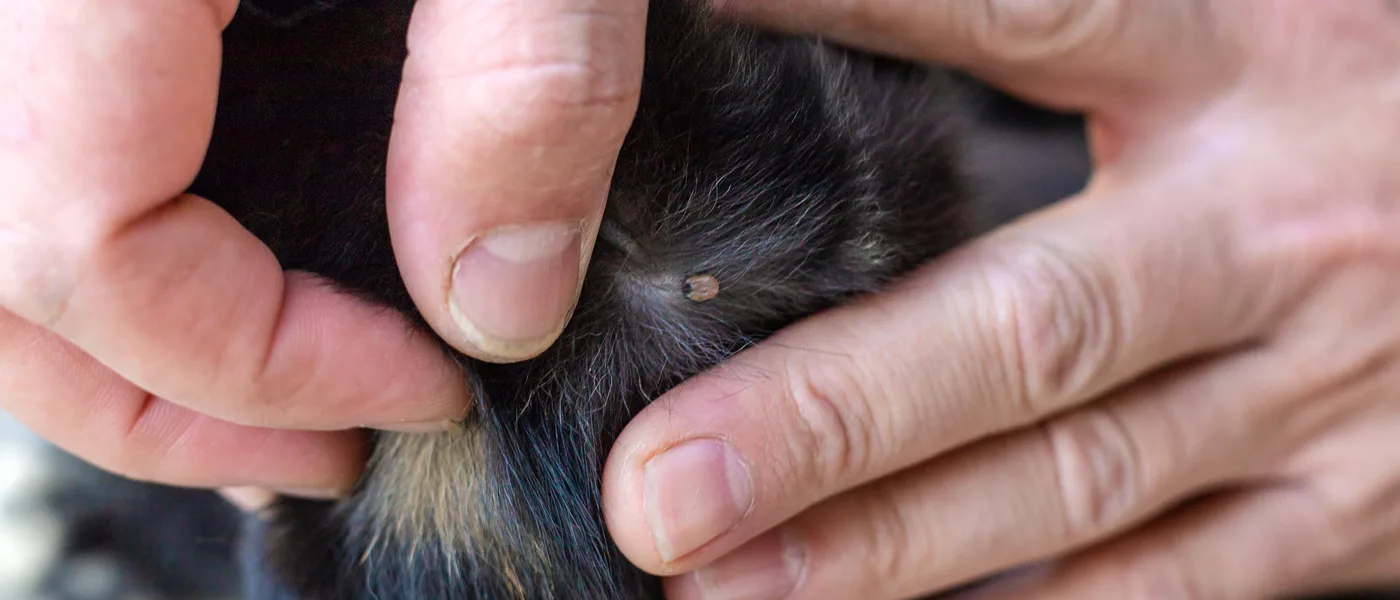

Ticks are turning up everywhere this spring. After finding one on our dog in our own yard, here's how we're handling it.
I knew it was going to be a bad tick season before I saw a single CDC report. All I had to do was look at the yard.
We’ve been on this wooded hilltop long enough to know what early warmth means. More ticks, earlier. And this year the numbers back it up. CDC data shows ER visits for tick bites are running higher than usual for this time of year across most of the U.S., among the highest since 2017. That’s not a reason to panic. It just means we need to be a little more intentional about the routine.
I HATE Ticks!!
There’s more to think about now than just Lyme disease. The Lone Star tick has been expanding its range, and with it comes more awareness of Alpha-Gal syndrome, that delayed red meat allergy that can develop after certain tick bites. It’s still rare, but the CDC estimates as many as 450,000 people may have been affected since 2010. For dogs, the list of tick-borne illnesses goes beyond Lyme too. Ehrlichiosis, anaplasmosis, Rocky Mountain spotted fever, babesiosis. They can all show up as lameness, fever, lethargy, symptoms that don’t scream “tick” until your vet runs the panel.
The thing is, only one of our dogs is on a monthly chewable. One can’t tolerate them due to seizures, So our prevention stack leans on environmental management and natural repellents as much as possible. It’s not the same as a prescription systemic, but it’s what works for us, and it’s a whole lot better than nothing.
The Process
Last weekend was our spring tick-prep project. Step one was clearing the tall grass and brush around the house. We’ve got a long stretch of wooded edge along the property, and that grass line is basically a tick highway. Mowing it down and pulling back the overgrowth isn’t glamorous, but it’s the foundation everything else sits on.
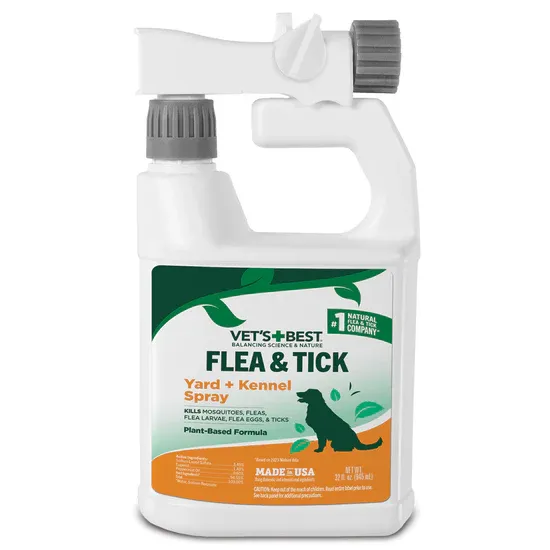
Step two is where the product comes in. We use Vet’s Best Flea & Tick Yard + Kennel Spray around the house perimeter and along that wooded edge. It’s plant-based, peppermint oil and eugenol from clove plants as the active ingredients, and it hooks up to a regular garden hose for easy coverage. You spray the area, let it dry for about 20 to 30 minutes before the dogs are allowed back out, and reapply after heavy rain. It’s designed to kill and repel fleas, ticks, and mosquitoes on contact in the treated zones.
There’s also the companion on-dog spray we use before hikes. Same plant-based actives, lighter formula. A few spritzes around the collar line, legs, and belly before heading into taller grass. It’s a contact repellent, not a systemic, so it’s not a magic shield. But layered with the yard treatment and thorough tick checks afterward, it fills a real gap for households like ours.
- Keep grass mowed and brush cleared around the house perimeter
- Create a 3-foot barrier of wood chips or gravel between lawn and woods to slow tick migration
- Clear leaf litter. Ticks love hiding in leaf piles.
- Move playground equipment, decks, and patios away from wooded edges
- Stack wood neatly in a dry area to discourage rodents that carry ticks
What We Learned
The biggest thing this year is how early everything is starting. Ticks don’t wait for summer anymore. April and May are prime season, and with milder winters the window just keeps stretching. Nymph season later in spring is especially sneaky because nymphs are tiny, hard to spot on a dog’s dark coat or even on your own skin.
The yard spray and on-dog spray combo is our approach for the season. But the real takeaway is that there’s no single magic solution. The ticks that matter most are the ones you don’t find until later. That’s why the post-hike check, for dogs and people, is the non-negotiable step. Collar line, ears, armpits, groin, between the toes, under the tail. For humans: waistband, hairline, behind the knees, belly button. Shower within two hours if you can. Tumble dry your clothes on high for about ten minutes, that kills any ticks you might have missed.
On the disease front for dogs, it’s worth noting that tick-borne illness doesn’t always look like Lyme. Ehrlichiosis, anaplasmosis, babesiosis, they all share symptoms like fever, lethargy, lameness, or appetite loss. If your dog seems off after a few weeks of outdoor time and you can’t explain it, a tick panel at the vet is worth asking about. Annual screening is a solid habit in tick-heavy areas.
Final Thoughts
Tick season isn’t something to dread. It’s something to plan for. A weekend of yard work, a bottle of spray on the hose, a quick check after every outing. Those small habits add up to real protection.
We’ll keep using the Vet’s Best stack because it fits our setup and our dogs’ needs. But whatever approach you go with, the important part is just having one. Check your dogs. Check yourself. And if you live anywhere near tree line, maybe clear that tall grass this weekend.