
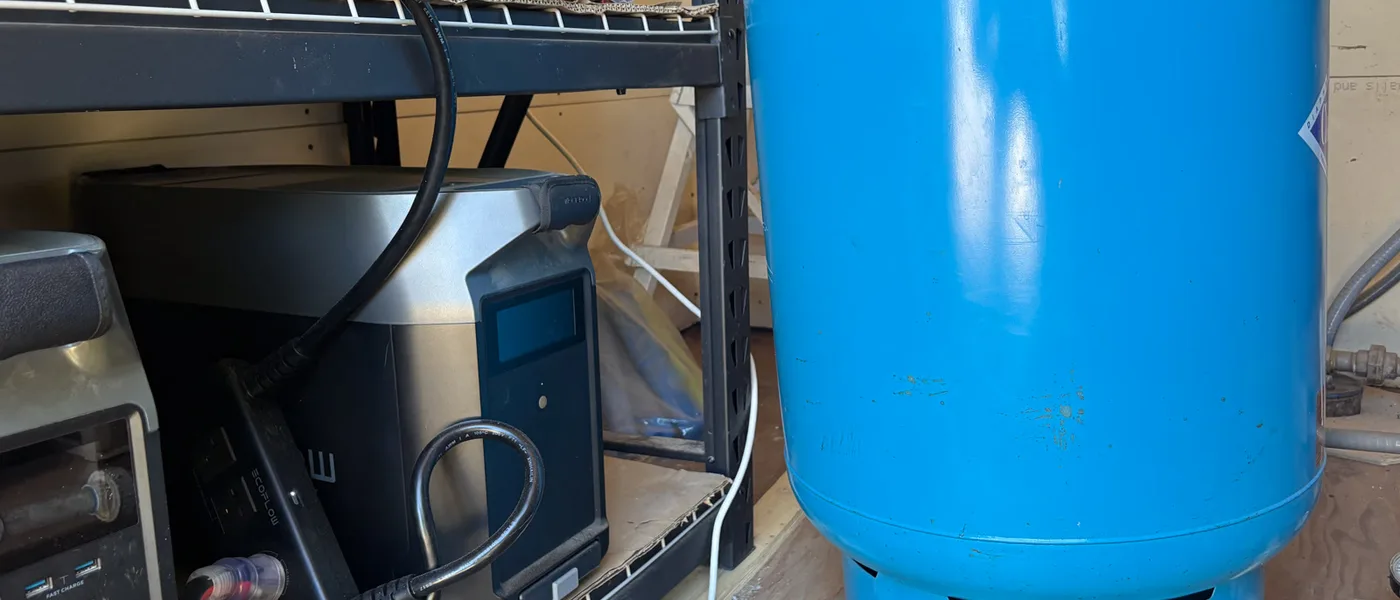

Bad pump wiring turned into something better. Two retired Delta Pros, a handful of Callsun panels, and a well that runs on solar now. Plus a shed AC that takes the edge off summer.
Why We Did This
The well pump is one of those things you don’t think about until it stops working. Ours is a 240V setup for the property, and when the wiring started acting up, we called an electrician to sort it out. While he was here, we got to talking about backup options for when the grid goes down, which around here is more a question of when than if.
We’d already upgraded the house system to a Delta Pro Ultra. That meant our two original Delta Pros were sitting around getting occasional use in different spots. So we decided to move them out to the pump shed and put them to work full time, paired with some solar panels to keep them charged. The plan was simple: give the well three ways to run (grid, generator, or solar-charged battery) and stop worrying about water during fire-season outages.
The Process
The first step was the transfer switch. We had the electrician add a proper generator switch at the pump so the well can pull from either the grid or a generator, with nothing backfeeding into the utility lines. It’s a straightforward safety thing, but it also opened the door for the battery setup: once the pump had a clean way to switch between power sources, adding the Delta Pros into the mix was just a matter of wiring them into that same path.
Moving the Delta Pros out to the shed was the easy part. They’d been our main backup units, but after switching the house over to the Delta Pro Ultra, they were getting shuffled around for odds and ends. The pump shed gave them a permanent home and a real job.
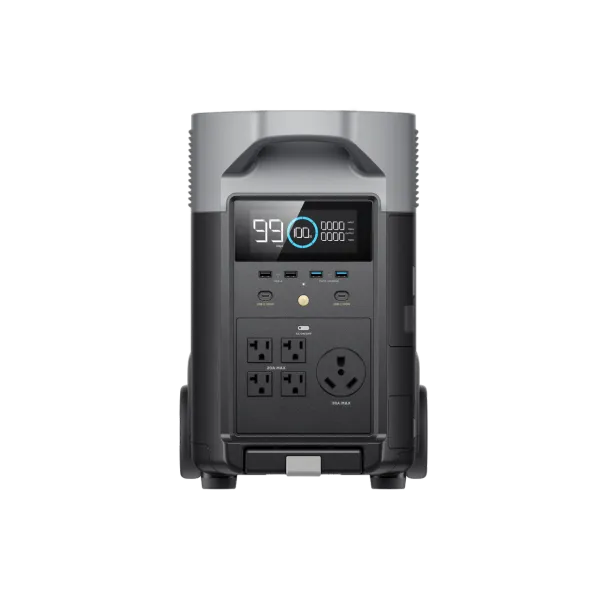
The tricky bit was the 240V connection. Getting two Delta Pros to work together at 240V meant figuring out the cabling, and we hit some early hiccups there. The official Ecoflow hub the first one we got kept desyncing, Connection issues that took some trial and error to sort out. It’s been stable ever since, but it’s worth knowing up front that the wiring between the units and the pump matters more than you’d think. Use the right cable, make sure everything’s seated, and test it before you need it in an outage.
For charging, we went with Callsun 200W panels. They’re N-type bifacial panels that put out near their rated power in good sun. On a good day they bring in around 180 to 190 watts on a warm day, which is respectable for the price. Two in series keeps the voltage in the Delta Pro’s happy range. Real-world output isn’t always what you see on paper, but with a few panels and decent sun hours, the system stays charged enough to keep the pressure tank topped through intermittent pump cycles.
What We Learned
The electrician visit was worth every penny. What started as fixing a wiring problem turned into a much more capable setup because we had a pro on site who could add the transfer switch safely. If you’re thinking about running a hardwired 240V pump off a battery system, don’t skip this step.
The Delta Pros found a second life here that they wouldn’t have had sitting in a closet. The Delta Pro Ultra handles the house now, but these older units are doing exactly what they should: running a critical load day in and day out, charged by the sun. Gear doesn’t stop being useful just because you upgrade.
Cable and connection quality matters more than I expected. The 240V hiccups we hit early on were a reminder that high-current DC and split-phase setups aren’t forgiving of loose connections. Once everything was properly seated and torqued, the system hasn’t had a problem since.
| Topic | Detail |
|---|---|
| Transfer switch | Proper manual generator switch isolates grid from backup sources. Never backfeed through a dryer outlet or suicide cord. |
| Electrician | Licensed pro for hardwired 240V circuits is the right call. Our wiring fix turned into a whole backup system because we had someone qualified on site. |
| Shelter | Delta Pro need dry, ventilated, weather-protected placement. Pump shed works as long as it stays dry and doesn’t get too hot. |
Summer Bonus: Shed AC
One thing we didn’t plan for but ended up needing to add was a small window AC for the pump shed. Summers get hot, and the shed was turning into an oven. We grabbed a small EcoFlow RIVER and a Ecoflow portable solar panel 160watt, and now the AC runs off that during the day when the sun’s out. It’s not whole-shed climate control. On a base RIVER you’re looking at under an hour of runtime on battery alone before the panels kick in. But with the panels charging while it runs, it’s enough to the shed and the Delta Pro’s from overheating in such a small area.
Final Thoughts
This project came together because one problem led to a conversation with the right person, which led to a much better setup than we’d started with. The well now runs on grid, generator, or solar, whichever makes sense for the situation. And a pair of Delta Pros that could have been collecting dust are earning their keep every day.
If you’ve got a well and you’ve been thinking about backup power, the biggest thing I’d say is: start with the wiring and the transfer switch. Get that right first, and the battery and solar part is a lot easier to add after.